
Content:
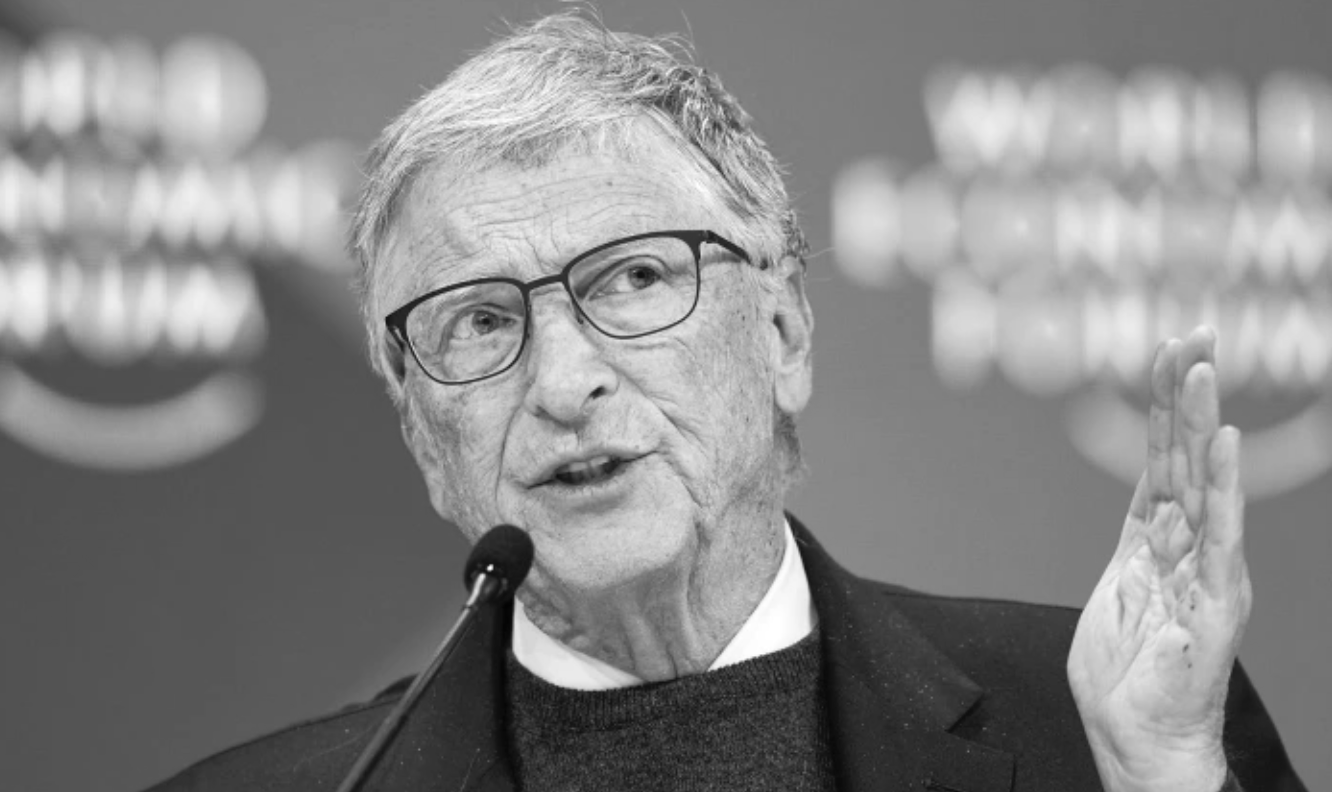
When Bill Gates Yelled At Me About Climate Change
FrameLab
11/14/2025
It was August, 2010 at the Techonomy Conference at Lake Tahoe. The month before, I watched Gates acknowledge the problem of climate change for the first time at the Aspen Ideas Festival.
This was most welcome, yet, curiously, Gates claimed that climate change was mostly a problem for poor people in the tropics. It would not affect North America and Europe very much. New York and Miami under water—not a problem. Heat wave deaths, fires, wildfire smoke in the Pacific Northwest, stronger hurricanes, ocean acidification—not to worry.
At the Tahoe conference, I told the head of Gates’ private office that this could be embarrassing to Bill. He encouraged me to talk to Gates about it, introducing us in the hallway between workshops.
“Thank you for getting involved in the climate issue. We need you,” I said. “I wonder if I could introduce you to scientists who study North American impacts. They will be quite severe, including to Seattle and the Cascades.”
Gates turned red and started waving his arms at me. In a loud voice, he growled “Who the hell are you? I talk to the world’s top climate scientists.”
“Well, a friend of mine, Dr. Heidi Cullen, for example, has just published a book about North American impacts. She’s also the chief climate scientist at the Weather Channel,” I responded.
“The Weather Channel! You get your information from the Weather Channel!” Now Gates was beet red, mocking and gesticulating even more. Heads were turning as people watched this spectacle in the hallway. “You should meet a real climate scientist,” he said while pointing to physicist David Keith, then with the University of Calgary, later with Harvard and the University of Chicago.
“Ok sure, I’ll do that, and send you more information,” I said, trying to get my heartbeat to slow after this outburst. I then went to David Keith and told him what had happened.
“Yes, we’ve been trying to help Bill understand this isn’t just about the tropics,” Keith explained.
This was almost 15 years ago but, in his much-covered memo last week, Gates still doesn’t seem to get it. He is still claiming climate disasters will mostly affect poor people in the tropics. Parroting the climate “delayer” and Wall Street Journal editorial page favorite Bjorn Lomborg (who Gates funds), he insists we should focus on other “more urgent” issues like health and agriculture in Africa.
In a quote right out of The Onion, he said “temperature is not the best way to measure our progress on climate” and we should not focus on short-term emission goals.
For a smart guy, who truly does care about the health and well being of people in poor countries, this is illogical. The higher temperatures go, the closer we get to people in the tropics literally dropping dead outside from “wet bulb” temperatures, making it hard to grow crops or even work in the fields.
More mosquito-borne illness will hit people and at higher elevations. Meanwhile, it is precisely the emissions of the next several years that matter, because they risk putting us above the threshold for a livable climate for civilization, and for dangerous tipping points in the life support systems of our planet. (Carbon can last millennia in the atmosphere).
Ok, so, as Gates claims, climate “will not lead to humanity’s demise,” ignoring all the suffering already here, and guaranteed to get worse as temperatures rise. Humanity may make it, but can our civilization survive the abandonment of the coastal cities of the world along with massive refugee flows it will cause? Can Europe survive the Gulf Stream shutdown likely to come if we keep polluting, making it too cold to grow food? Already, insurance markets are straining from the cost of extreme weather, and this is just the beginning.
As climate scientist Michael Mann puts it, “climate change is the greatest threat of all to people in the tropics.”
Is Gates really that clueless? Does he just have excessive faith in carbon-removal or sun-blocking technology that does not exist yet, while continuing as usual to dismiss the viability of solar/wind/water/storage? Or is he mostly responding to Trump, whose support Microsoft needs for its race to AI dominance?
I doubt it is that simple. Yet Gates caused so much confusion last week, and Trump rushed to embrace him.