Content:
What Do Authoritarians Fear Most? People Who Stick Up for Each Other.
Truthout
04/12/2026
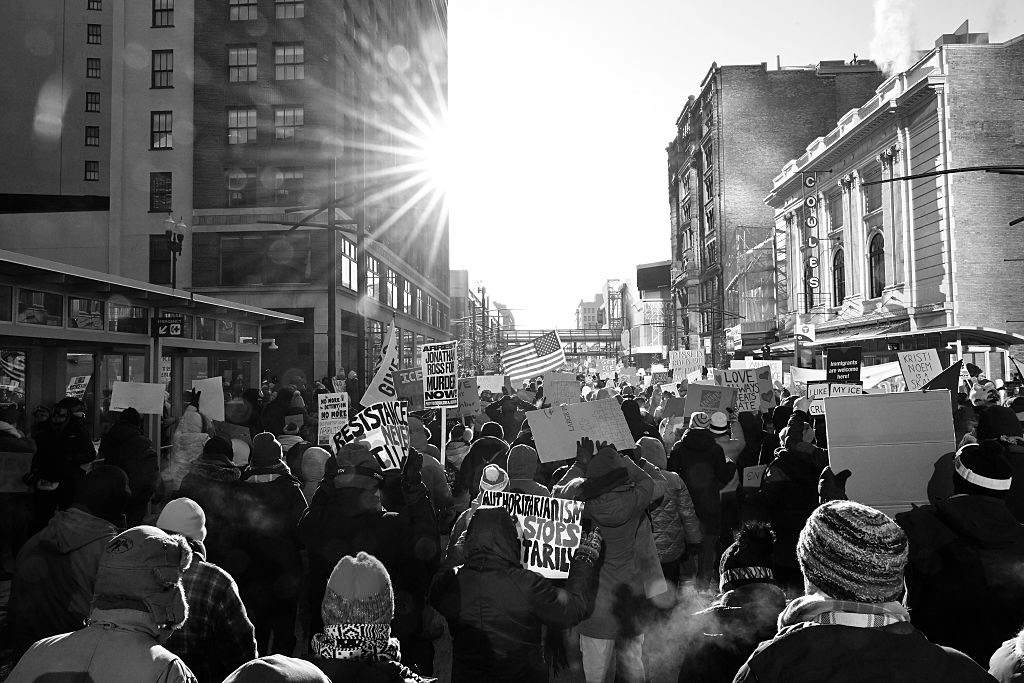
As federal immigration enforcement surged into the Twin Cities — detaining and deporting people, and brutalizing protesters — ordinary people mobilized. Volunteers met detainees who were released from the Whipple Federal Building with nothing but the clothes on their backs, often in subzero temperatures. They made sure someone was waiting in a warm car with coats, food, transportation, and access to phones. Others organized grocery deliveries to families afraid to leave their homes, or helped ensure children could travel safely to and from school, or tracked Immigration and Customs Enforcement (ICE) raids in real time.
These efforts did not emerge overnight. They were possible because Minneapolis already had a powerful scaffolding of relationships, organizations, and mutual aid practices. Mass protests following the 2020 police-perpetrated killing of George Floyd deepened relationships and coordination across the city. When ICE surged, people knew how to respond and who to call.
Community and solidarity are superpowers that ICE hadn’t expected. Federal agents would have known how to crush a small, violent uprising. They had no idea how to handle thousands of neighbors showing up nonviolently to support people they might not even know.
What Minneapolis demonstrates is the power of solidarity. Well-organized communities form infrastructure capable of resisting authoritarianism. Together with other communities, they can build movements capable of resisting ecocide, ending wars, and pushing back on systemic racism.
The same scaffolding is how we can rebuild from the damage caused by Trump 2.0, and envision a future beyond today’s ecological and societal crises. Community is also an answer to epidemic levels of loneliness and the mental health challenges of isolation, and the powerlessness that results.
A Foundation for Survival and Resistance
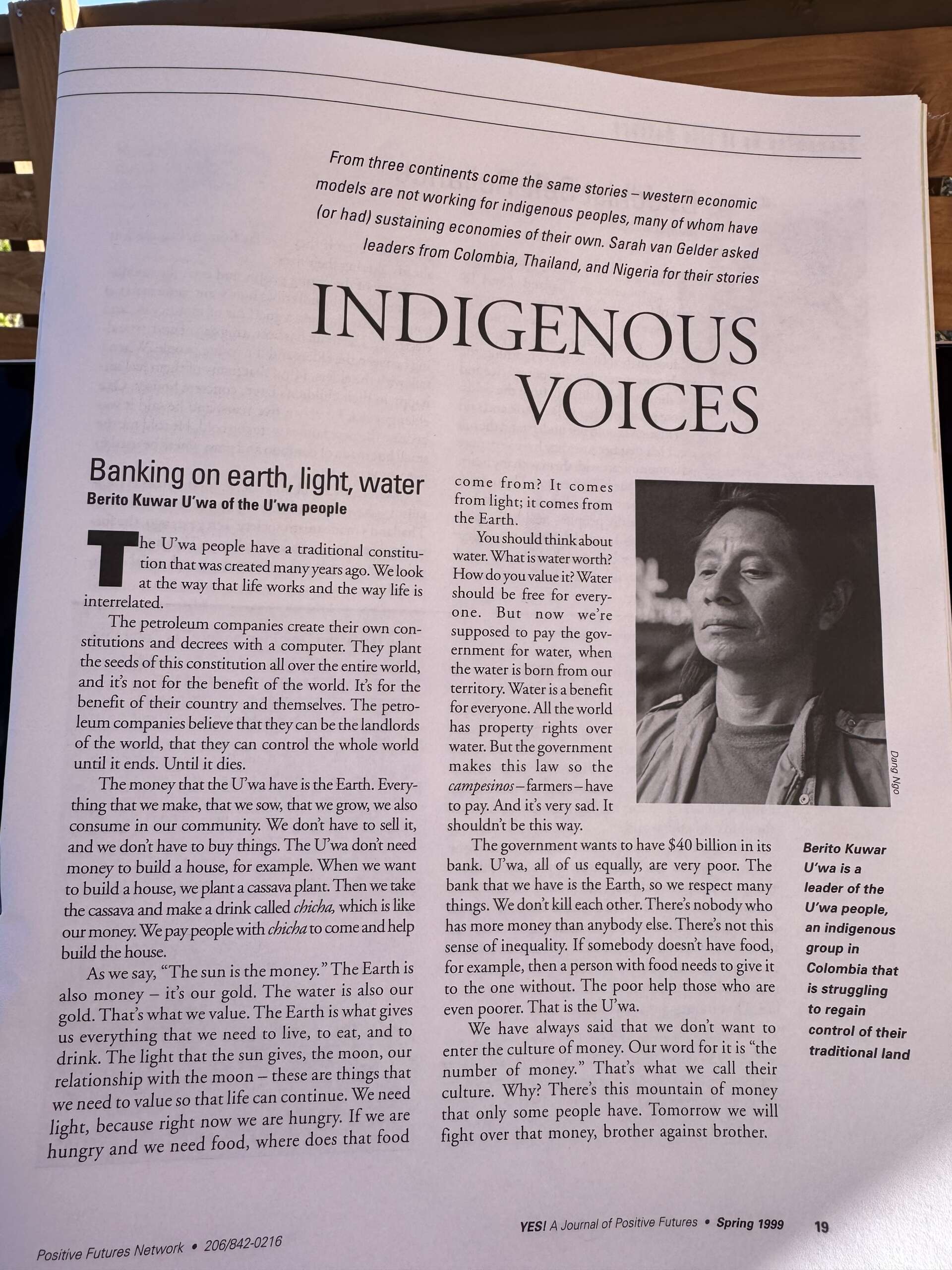
I once interviewed Berito Kuwar U’wa, an activist from a Colombian Indigenous community, for YES! Magazine. I was curious how people could live with no banks, no mortgages, and no corporations. “How do you build a house?” I asked him.