
Content:
Welcome to the American Winter
The Atlantic (Gift)
01/25/2026
The Somali refugees who began coming to the Twin Cities in the early 1990s did so with the help of religious organizations and churches, especially Lutheran and Catholic parishes, that have a history of welcoming people fleeing war and famine. Those groups have been at the forefront of the resistance to ICE, and some of their leaders have been asking difficult questions: When does protest cross the line into violence? When is it morally acceptable to break the law? How do you retain the trust of people who are uncomfortable defying the authorities?
“We’re going to have to live with our discomfort in making other people uncomfortable,” Ingrid Rasmussen, the lead pastor at Holy Trinity Lutheran Church, who has been one of the most outspoken clergy members in the city, told me.
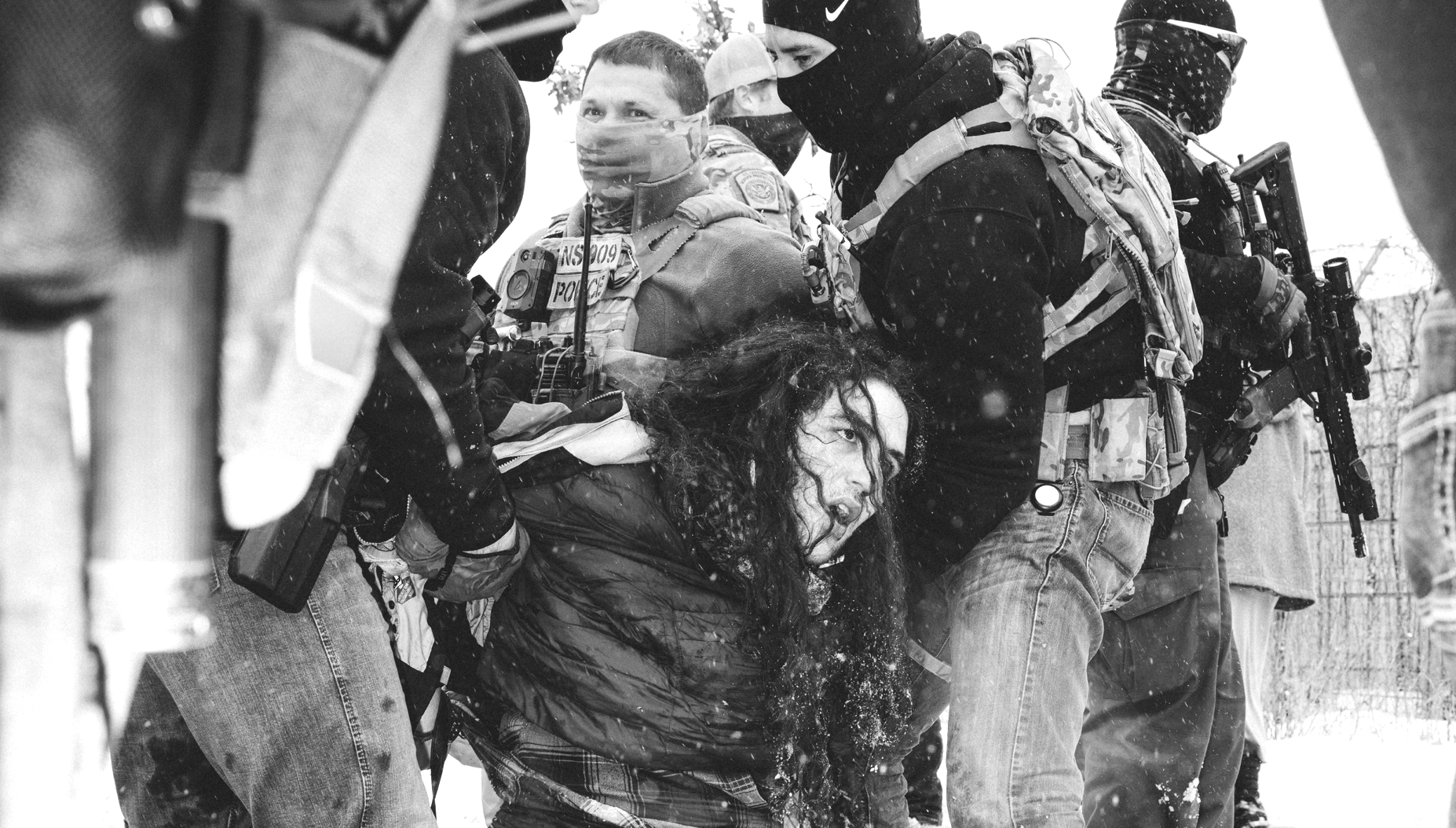
Last June, federal agents raided a taqueria near her church. She ran to the scene, she told me, and found a crowd of protesters facing off against heavily armed agents being protected by local police. Rasmussen was wearing her clerical robes and was thrown to the ground by a sheriff in plainclothes. Some in the crowd threw trash, bottles, and tires at the federal agents, according to a local news report. Video footage spread of Rasmussen shouting at the Minneapolis police chief: “You stand in my church … You promised me a better relationship.”
“It was like nothing I had ever seen before in Minneapolis,” Rasmussen told me.
That was a remarkable thing to hear, because Rasmussen’s church was near the center of the riots that took place after the killing of George Floyd in 2020. “Everything to the west of our building burned,” she told me. During that period, her church became a medical site for injured people. She and her congregation worked for years to help rebuild the neighborhood.
The new round of ICE raids has struck even closer to home for the church, whose congregation includes a large number of immigrants. Rasmussen, who has young children, has continued to put herself in harm’s way. She was among the 120 clergy members who took part in a sit-in at the corporate headquarters of Target on January 15, in an effort to get the company to take a stronger stand against the federal raids. And on January 23, she was among those arrested during the protest at the Minneapolis airport.
On the morning of January 24, Rasmussen got word that a man had been shot by ICE agents. She put on her warmest winter clothes and went to the scene, on Nicollet Avenue and West 26th Street, figuring she might be outside for hours.
By the time she got there, Alex Pretti, an ICU nurse, was dead. The federal agents who had wrestled him to the ground and then shot and killed him were throwing tear gas and flash-bangs at a crowd of furious protesters chanting “Shame!”
Rasmussen attended another protest that afternoon. When we spoke hours later, her voice sounded weary, as if she wasn’t sure what such gestures of defiance would accomplish. She found it “almost unbearable” to witness such brutality from her government day after day, she told me. And it was galling to hear people in power say that they were acting in defense of freedom. The streets still looked like a war zone, with flash-bangs detonating and clouds of tear gas in the air.