
Content:
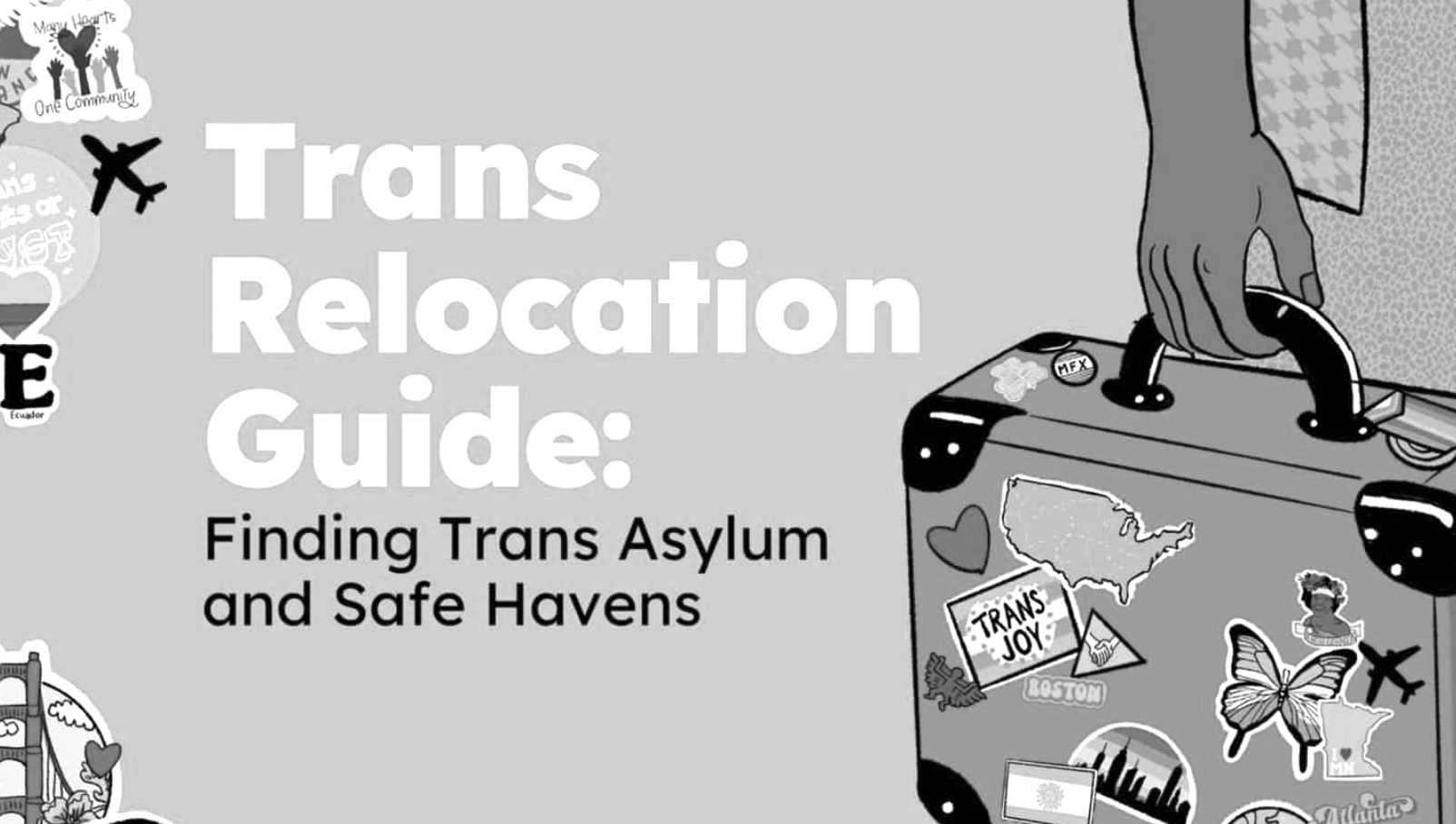
Trans Relocation Guide: Finding Trans Asylum and Safe Havens
TransLash (January 22, 2025)
11/20/2025
In light of growing hostility and anti-trans legislation across the U.S., many transgender people are seeking safe havens —whether by relocating to more trans-friendly areas within the U.S. or by moving abroad. This guide offers resources to help you understand and navigate the relocation process.
Important Note: The guidelines around federal and state documents for trans people are constantly changing. To stay informed and ensure you’re accessing the most up-to-date information, visit Lambda Legal’s TGNC Rights Checklist for guidance on IDs, passports, and legal protections. Additionally, check Lambda Legal’s social media channels for real-time updates on policy changes that may impact you.
What is Trans Asylum?
Trans asylum refers to the search for refuge, safety, and inclusion for transgender people; whether they are fleeing discrimination or unsafe living conditions. It can take many forms such as moving to a different city within your state, relocating to a relatively trans-friendly state like California, or moving outside of the US to countries that offer guaranteed protections for LGBTQ+ individuals.
In a 2024 interview with The Advocate, “Meet the transgender lawyer leading a bold fight to show Supreme Court justices that trans lives matter”, Chase Strangio discussed the impact of restrictive state laws:
“We’re now in a situation where half the country bans this evidence-based medical care for transgender adolescents, overriding the decisions of their doctors and their parents to provide this treatment.”
And as of this week, President Donald Trump has signed several executive orders that intensify these concerns for transgender and nonbinary people.
On January 20, 2025, President Trump signed an order that mandates that the federal government recognizes only two genders – male and female – based on biological sex assigned at birth. This policy effectively eliminates federal recognition of transgender and nonbinary identities. This not only impacts access to gender-affirming care and appropriate facilities, but also the processing of legal documents and anti-discrimination protections for transgender individuals.
He also signed an order that terminates all DEI initiatives within federal agencies, placing employees in these roles on immediate leave. This removes significant support systems and resources previously available to marginalized groups, including the LGBTQ+ community.