Content:
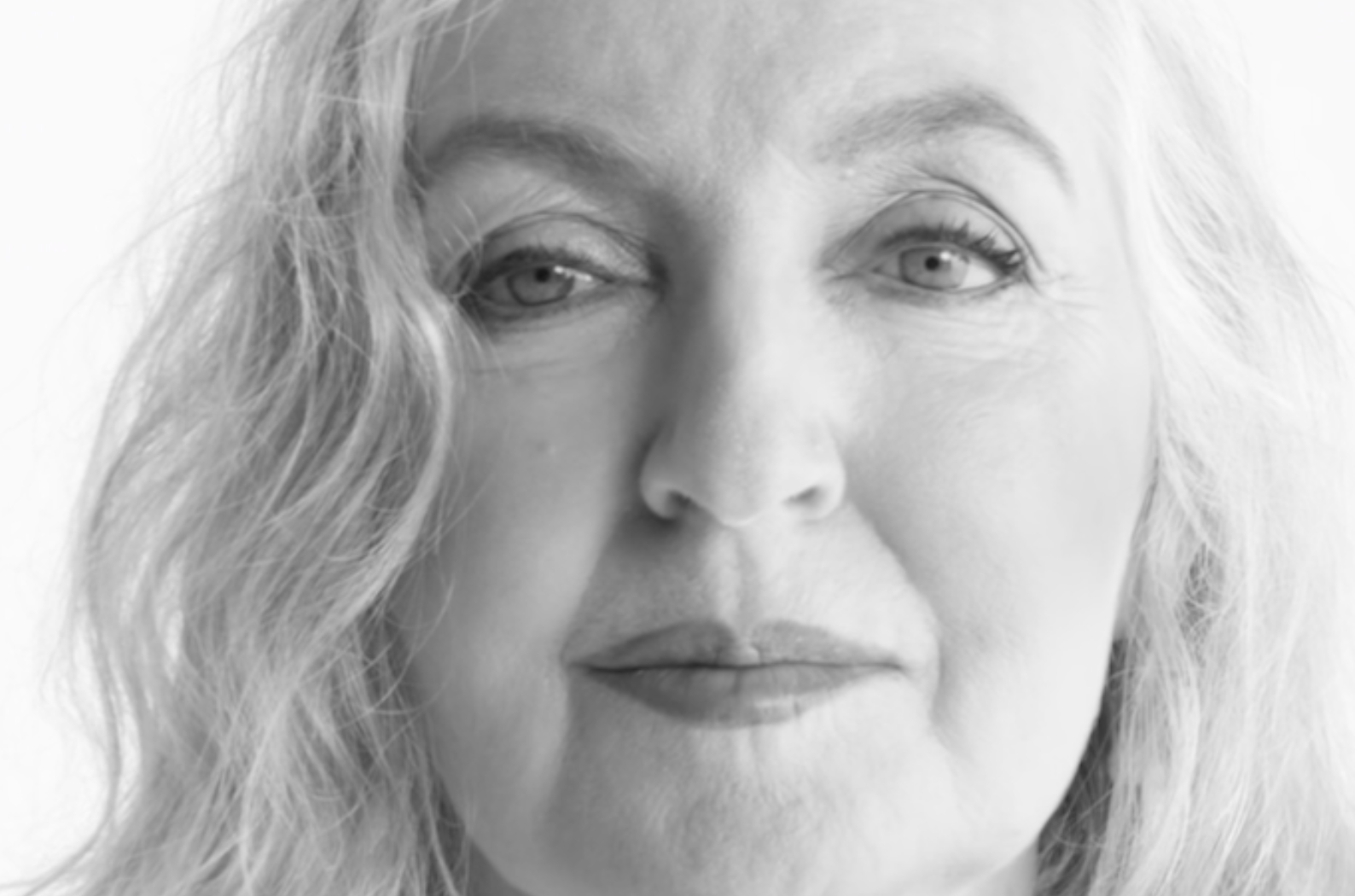
The Interview: Rebecca Solnit Says the Left’s Next Hero Is Already Here
The New York Times (Gift)
03/07/2026
As the old saw goes, the only constant is change. But change doesn’t always feel as overwhelming as it does right now. We are living in an era of widespread democratic backsliding, sweeping technological disruption and the slow-motion disaster of the climate crisis, to name just a few of the most troubling societal upheavals. But what if, despite all that, there’s a different and more hopeful story to tell about change?
That’s the question at the heart of “The Beginning Comes After the End,” the new book by the prolific and critically acclaimed progressive writer Rebecca Solnit. A thematic sequel to her classic “Hope in the Dark,” the book shines a light on the vibrant world often hidden within our own seemingly gloomier one — a world that has embraced ideas of interconnection, ecological care and political equality. It’s not a naïve book — Solnit is keenly aware of the challenges we’re all facing — but it provides a stabilizing counterweight to the feeling that the world, of late, has spun dangerously off-kilter.
When people are reading the news and it’s making them feel as if they’re barreling into a grim dystopian future, what additional context should they have that would help them complete the picture and show them that there are deeper currents of positivechange happening? Even the right tells us something encouraging, if we listen carefully to what they’re saying. They tell us: You are very powerful. You’ve changed the world profoundly. All these things that are often treated separately — feminism, queer rights, environmental action — are connected, so they’re basically telling us we’re incredibly successful, which is the good news. The bad news is that they hate it and want to change it all back. There is a backlash, and it is significant. But it is not comprehensive or global. I was on a book tour last year in Europe, and the Europeans astounded me by being like: Oh, Roe v. Wade was overturned — doesn’t that mean feminism has failed? The United States is 4 percent of the population. Meanwhile, all these Catholic countries — Argentina, Mexico, Ireland, Spain — have greatly expanded reproductive rights and abortion access. And even though the overturning of Roe took away national protection, a lot of blue states strengthened it. So it’s really how you tell the story.
Why does it feel easier to internalize the upsetting and retrogressive aspects of the world we live in, rather than that more positive context? You’re coming to the wrong person. My friend Sam calls me the hope lady. I remain hopeful partly as defiance. But what you’re addressing is narrative itself. Most stories are: Something goes wrong, and then we have to address it. When nothing goes wrong, there’s no story. But also, a lot of what’s right are stories of incremental change. One of the stories people don’t comprehend is the energy revolution at the turn of the millennium. We didn’t have an alternative to fossil fuels. But because solar and wind have suddenly become these incredibly cheap, incredibly effective adaptable technologies, we can run almost everything on renewables and have more energy than we could possibly use. Very few people comprehend it because it’s nerdy, technical and incremental.
If we’re talking about counternarratives that can lead to positive change, one of the defining counternarratives of the last few years could fall under the umbrella of “the resistance.” I would like to hear your perspective on whether any of the strategies against President Trump and Trumpism have been counterproductive. That is, if calling him or the movement fascist, sexist, racist pushed people into their respective corners? That’s the least of our problems. They are racist, they are authoritarian, they aremisogynist, they are homophobic, and tiptoeing around it protects them and not the targets of the hatred and discrimination. I get so tired of the idea that progressives have gone too far in asserting that every human being deserves human rights when people are being shot in the streets of Minneapolis. We are facing such horrific brutality. Politeness is not really the problem. I think we got into this situation in part by a lot of people in the mainstream thinking it was more important to be polite than to call things by their true names. There’s a wonderful historian and scholar of nonviolence named George Lakey who says polarization is good. That’s when you have clarity. Sometimes people have to pick sides. You do not get authoritarians to behave better by being meek and gentle and polite. You get it by being strong.
Whether it has to do with environmental degradation or degradation of our politics or of people, it seems as if the public is hungry for an individual to be a counterweight to Trump and Trumpism. I don’t know whether that person is Zohran Mamdani or Gavin Newsom, who is clearly trying to position himself that way. But for whatever reason, that person has yet to be identified. Why do you think that is? One of the great weaknesses of our era is that we get lone superhero movies that suggest that our big problems are solved by muscly guys in spandex, when actually the world mostly gets changed through collective effort. Thich Nhat Hanh said before he died a few years ago that the next Buddha will be the Sangha. The Sangha, in Buddhist terminology, is the community of practitioners. It’s this idea that we don’t have to look for an individual, for a savior, for an Übermensch. I think the counter to Trump always has been and always will be civil society. A lot of the left wants social change to look like the French Revolution or Che Guevara. Maybe changing the world is more like caregiving than it is like war. Too many people still expect it to look like war. I denigrate politicians I don’t respect as windsocks. I just want us to understand that most of the important change is collective.