
Content:
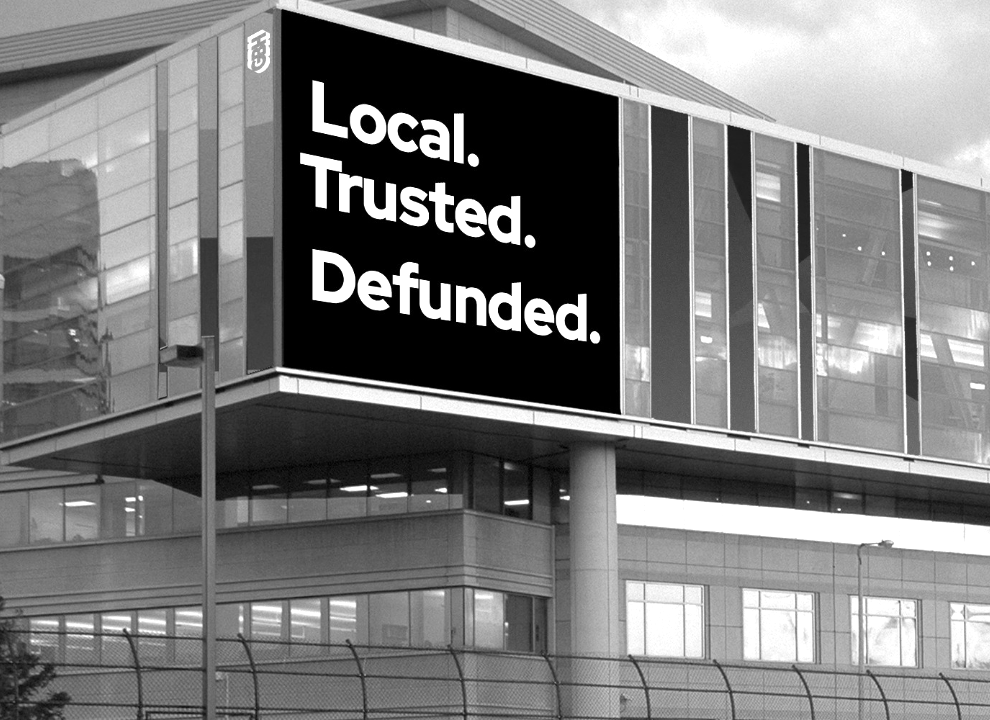
The Defunding of Public Media Is Hitting Local Stations Hardest
Free Press
10/23/2025
The decision to end federal funding for public media in the United States already has local stations reeling.
Back in July, Republicans in Congress ignored the needs of their own constituents when they approved President Trump’s demand to claw back already-approved funding for the Corporation for Public Broadcasting. The first casualty of this decision was the CPB itself, which on Aug. 1 announced that it would need to shut down by the end of the year. “The elimination of the Corporation for Public Broadcasting is about trying to end accountability, pump out propaganda, and sow the kind of chaos and disinformation under which authoritarianism thrives,” said Free Press Action Co-CEO Craig Aaron.
In the aftermath of Congress’ decision, PBS cut 15 percent of its workforceand trimmed its budget by 21 percent. While it’s reducing the dues required from member stations to help ease the financial burden on those newsrooms, this has forced it to make other tough choices — like putting its award-winning documentary series American Experience on hiatus. Meanwhile, NPR — which already reduced its staff by 10 percent back in 2023 — is cutting $5 million from its budget.
And local stations of all sizes have announced that they will need to lay off staff, reduce programming — and in some cases, close.
Local losses
A New York Times analysis found that 245 stations in rural communities were at risk of closure. That’s because rural stations were far more dependent on CPB funding than many urban stations, which often have a far greater range of underwriters and larger donor pools.
Rural stations have long served as a lifeline for local communities. At a time when media consolidation has decimated local news, public-media stations are often the only source of local journalism. These stations also provide crucial emergency warning services — an absolute necessity as the climate crisis has worsened.