
Content:
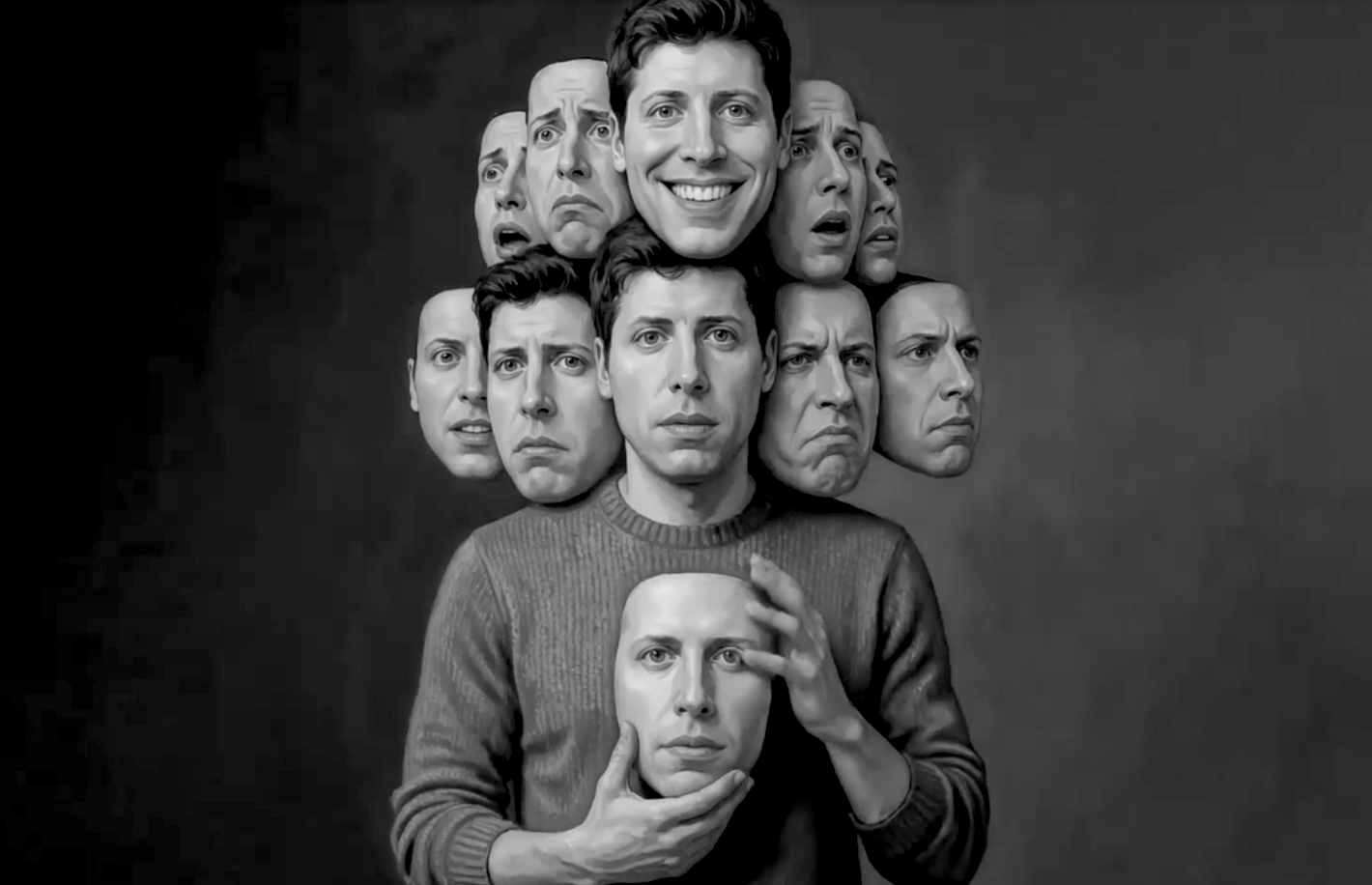
Sam Altman May Control Our Future – Can He Be Trusted?
The New Yorker
04/06/2026
But tensions arose between Anthropic and the government. Years earlier, OpenAI had deleted from its policies a blanket ban on using its technology for “military and warfare.” Eventually, Anthropic’s rivals—including Google and xAI—agreed to provide their models to the military for “all lawful purposes.” Anthropic, whose policies bar it from enabling fully autonomous weapons or domestic mass surveillance, resisted on these points, slowing negotiations for an overhauled deal. On a Tuesday in late February, Defense Secretary Pete Hegseth summoned Amodei to the Pentagon and delivered an ultimatum: the firm had until 5:01 p.m. that Friday to abandon those prohibitions. The day before the deadline, Amodei declined to do so. Hegseth tweeted that he would designate Anthropic a “supply-chain risk”—a devastating blacklist historically reserved for companies, like Huawei, that have ties to foreign adversaries—and made good on the threat days later.
Hundreds of employees at OpenAI and Google signed an open letter titled “We Will Not Be Divided,” defending Anthropic. In an internal memo, Altman wrote that the dispute was “an issue for the whole industry,” and claimed that OpenAI shared Anthropic’s ethical boundaries. But Altman had been in negotiations with the Pentagon for at least two days. Emil Michael, the Under-Secretary of Defense for Research and Engineering, had contacted Altman as he sought replacements for Anthropic. “I needed to hurry and find alternatives,” Michael recalled. “I called Sam, and he was willing to jump. I think he’s a patriot.” Altman asked Michael, “What can I do for the country?” It appears that he already knew the answer. OpenAI lacked the security accreditation required for the classified systems in which Anthropic’s technology was embedded. But a fifty-billion-dollar deal, announced that Friday morning, integrated OpenAI’s technology into Amazon Web Services, a key part of the Pentagon’s digital infrastructure. That night, Altman announced on X that the military would now be using OpenAI’s models.
By some measures, Altman’s maneuver has not hindered the company’s success. The day he announced the deal, a new funding round increased OpenAI’s value by a hundred and ten billion dollars. But many users deleted the ChatGPT app. At least two senior employees departed—one for Anthropic. At a staff meeting, Altman chastised employees who raised concerns. “So maybe you think the Iran strike was good and the Venezuela invasion was bad,” he said. “You don’t get to weigh in on that.”