
Content:
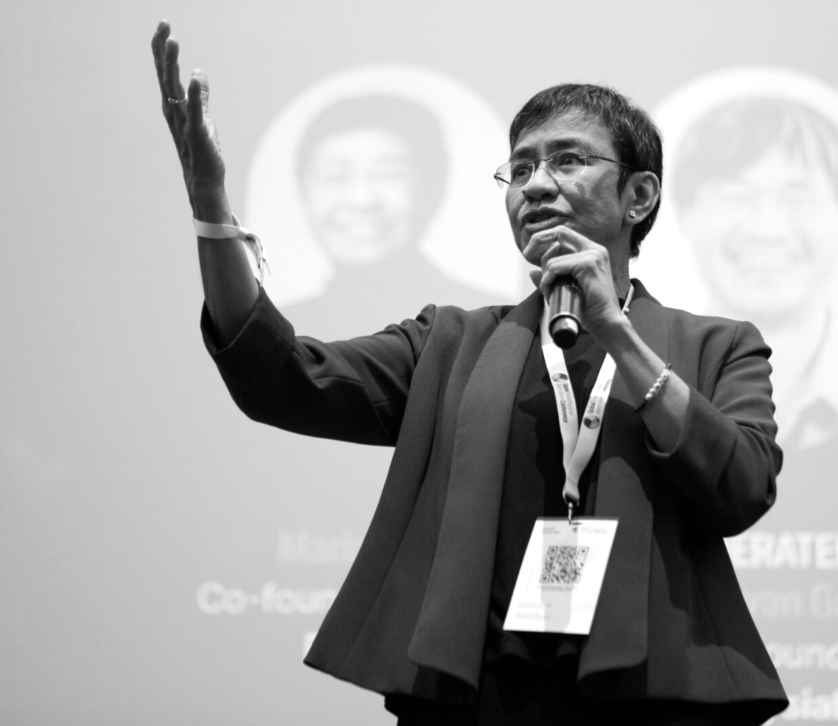
Maria Ressa Calls for ‘Radical Collaboration’ to Combat Misinformation and Preserve Press Freedom
Global Investigative Journalism Network
11/21/2025
Maria Ressa — a 2021 Nobel Peace Prize laureate, and co-founder of the pioneering investigative outlet Rappler — opened the 14th Global Investigative Journalism Conference (GIJC25) in Malaysia with a powerful call for the under-fire investigative reporting community to embrace “radical collaboration,” and to use the crisis as an opportunity for impact and survival.
At a global moment of rampant authoritarianism, emboldened tech oligarchs, media funding freezes, and both cyber and physical attacks on journalists, Ressa used her keynote address to warn that many press freedoms may only have one year left before they could be forever lost. But she recounted her own personal experience of persecution in the Philippines to show how a relentless commitment to hold powerful actors accountable — even in the face of repression — can lead to sustainable revenue and justice.
“I had 11 arrest warrants in 2019 — that was the year Rappler became profitable,” she noted, prompting cheers from the audience. She acknowledged that the repeated arrests of newsroom leaders was “not exactly a sustainable business model” for others to emulate, but noted Rappler’s turnaround was an example of how audiences can rally around a courageous press. She also cast it as an extreme example of how “crisis is opportunity” for resource-challenged and harassed newsrooms worldwide.
Referring to Rodrigo Duterte, the former president of the Philippines, Ressa prompted cheers from assembled journalists when she pointed out why she remains optimistic about the future of investigative journalism. “I want to tell you why I remain optimistic, why I think we can do this,” she said. “It’s because the man who tried to jail me and close Rappler down was arrested in March this year, and he’s now at The Hague for crimes against humanity. So you see: if you keep doing your jobs and collaborate together, impunity ends.”
However, Ressa also described several existential threats currently facing the media and civil society. “This is the deadliest year for journalists — 250 killed in Gaza alone,” she noted.
In a dramatic moment, Ressa warned that 2026 could represent a crucial, one-year window for many independent newsrooms to secure their rights, their partnerships, and their new sustainability models.