
Content:
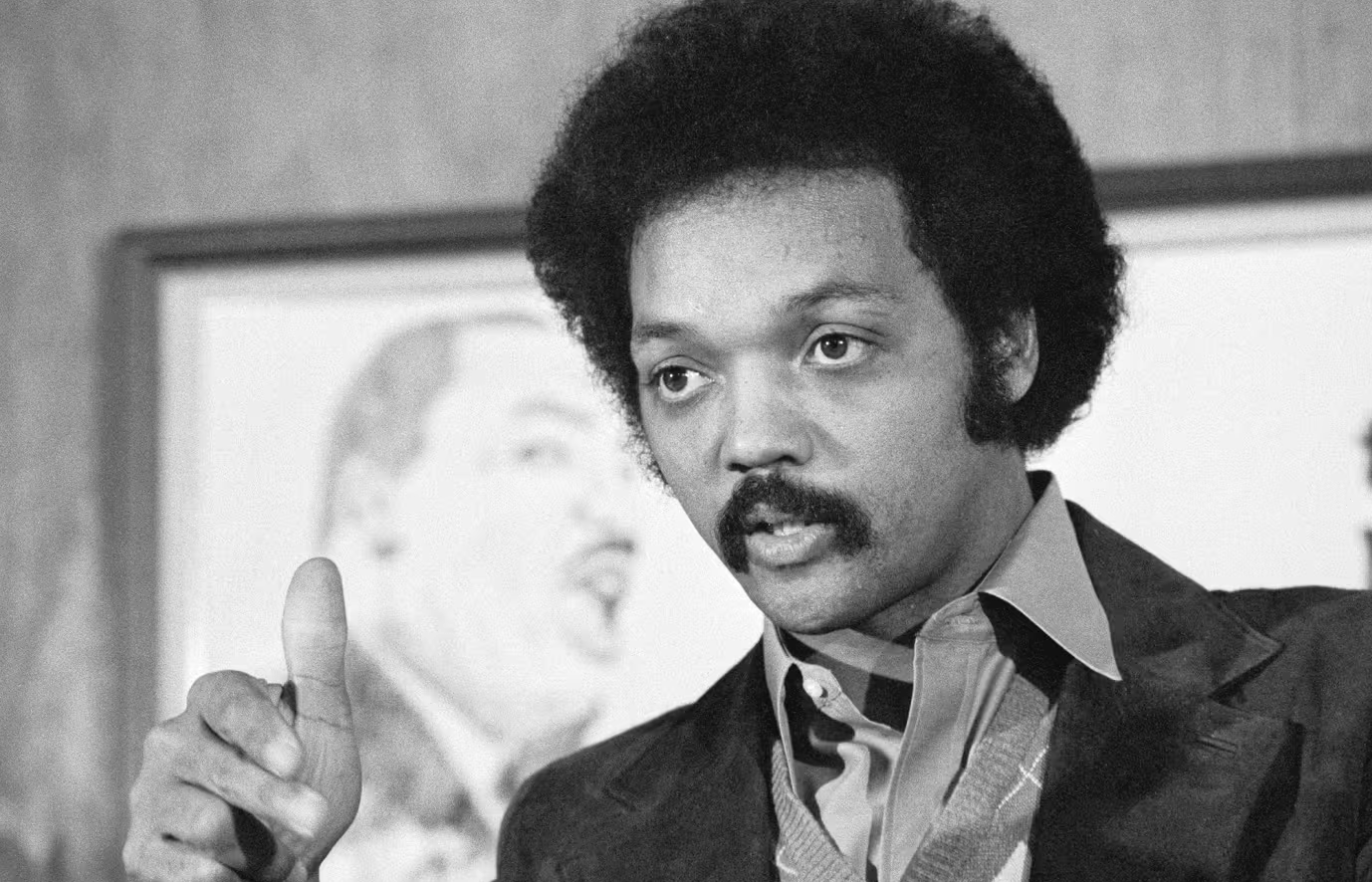
Jesse Jackson Gave Peace a Chance
The Nation
02/17/2026
Jackson’s legacy is so rich, and extends across so many generations and struggles, that it cannot be contained in one reflection. He was, as the Rev. Al Sharpton said Tuesday, “a movement unto himself.”
Over seven decades in the public arena, Jackson emerged as one of the most multifaceted figures in American history: a legendary civil rights leader, a knowing and caring defender of the disenfranchised, a vital advocate for voting rights and voter mobilization, a savvy media critic who recognized the importance of challenging narratives that promoted discrimination and division, an essential ally of labor unions, a reformer of the Democratic Party, a friend to struggling family farmers and urban workers alike, and a counselor to presidents and prime ministers. He was, as well, a man of deep faith, who expressed that faith in his ardent advocacy for peace.
That dedication to peace was central to both his 1984 and 1988 presidential bids, a fact that is too frequently neglected in cursory reflections on those seismic Rainbow Coalition campaigns.
Political historians recognize Minnesota Senator Eugene McCarthy and New York Senator Robert F. Kennedy as the great anti–Vietnam War candidates of the 1968 presidential campaign. George McGovern, the Democratic presidential nominee in 1972, is often recalled as the most ardent foe of a US military intervention to be nominated by a major American political party since Democrats ran William Jennings Bryan in 1900. Former Vermont governor Howard Dean and former Ohio representative Dennis Kucinich are remembered for seeking the Democratic presidential nod in 2004 as sharp critics of the Iraq War. Barack Obama’s prescient opposition to the Bush-Cheney administration’s war of choice, which he voiced as early as 2002, did much to advance his successful bid for the presidency in 2008. And Vermont Senator Bernie Sanders, whose 2020 presidential bid Jackson supported, reframed foreign policy debates by explicitly rejecting the elite consensus about the US role in the Middle East and so many other parts of the world.
Jackson’s two 1980s campaigns deserve a key place in this proud history—both because they were uniquely dynamic and because they had a profound and lasting impact on progressive thinking about foreign policy. That’s one of the many reasons, when veterans of the Jackson campaigns got together, we often reflected on this too-frequently-neglected aspect of his political legacy. His was a powerful and transformative message that resonates to this day.
The campaigns are often recalled for their groundbreaking advocacy on behalf of economic, social, and racial justice at home, but Jackson also outlined what was then a fresh foreign policy vision, rooted in what has come to be known as progressive internationalism. He advanced a comprehensive—and morally coherent—argument for shifting American foreign policy away from military interventionism, nuclear brinksmanship, and Cold War posturing and toward diplomacy, cooperation, and dramatically reduced Pentagon spending.