
Content:
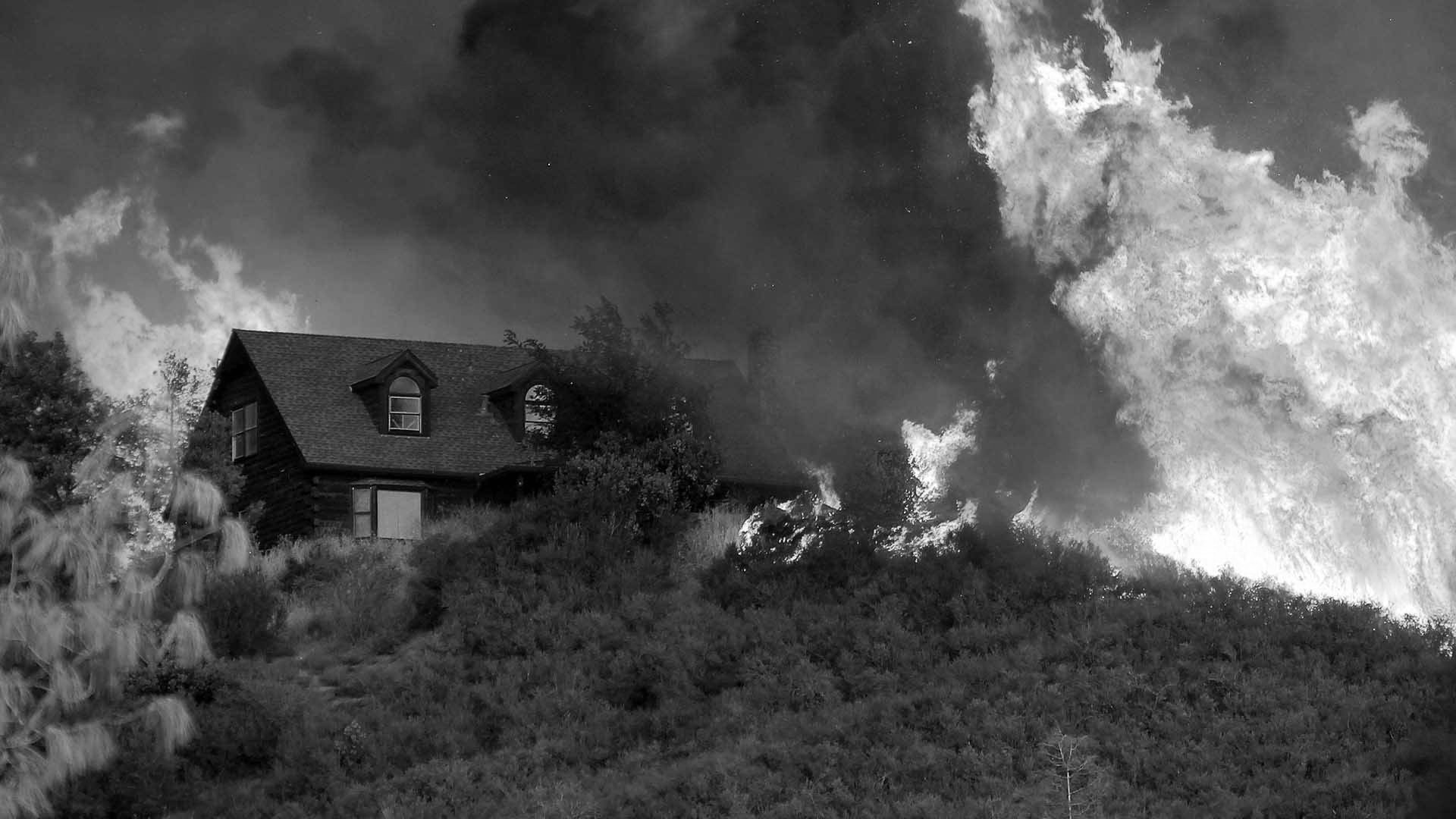
A Burning House, A Quiet Media, A Silenced Majority
Covering Climate Now
05/04/2026
Voluminous empirical data show that most of the public cares about climate change. And an overwhelming majority of the world’s people — 80–89% of them, according to peer-reviewed studies that gave rise to Covering Climate Now’s 89 Percent Project — want their governments to take stronger climate action. But this overwhelming majority does not realize it’s a majority, partly because its existence is not reflected in most news coverage. In other words, they have been a silent majority, but also a silenced majority.
This white paper, published in April 2026 by CCNow, focuses on mainstream news media and how it has been covering the climate story. Established by journalists, for journalists, CCNow has worked with hundreds of journalists and news outlets to help all of us do a better job of covering the defining story of our time. CCNow was launched in 2019 with the express intent of breaking the “climate silence” that prevailed in most news media. And for a few important years, that silence was broken.
Now, much of the media has gone, if not silent, certainly quiet. Climate coverage declined globally in 2025 by 14%, according to the Media and Climate Change Observatory at the University of Colorado at Boulder. In the US, The Washington Post gutted its climate team amid a larger set of layoffs. So did CBS News, where correspondent David Schechter and producer Tracy Wholf had run 61 climate stories during 2025. NBC News also cut back its climate team. Collectively, the three broadcast networks reduced the airtime devoted to climate change by 35%, according to the watchdog group Media Matters.
There are, it’s important to note, exceptions to this trend. Major outlets including The Guardian, The New York Times, the Associated Press, TIME, Bloomberg Green, CNN, Telemundo, France Télévisions, and The Hindustan Times continue to cover the climate story robustly. Every television station in Japan over the next two years will run public service commercials noting that 89% of Japanese people support taking climate action. And journalists across the Global South generally continue to see climate change as a major story — no surprise, given that they’re on the front lines.
To understand this retreat from climate coverage and how it might be remedied, CCNow executive director Mark Hertsgaard held conversations in early 2026 with more than 30 climate journalists at leading TV, radio, newspaper, magazine, and digital news outlets in Asia, North and South America, Europe, and Africa that collectively reach a total audience of billions of people. These conversations took place “on background” so the journalists could speak freely. Journalists quoted here by name have given express permission for CCNow to do so.