
Content:
Extremists are using AI voice cloning to supercharge propaganda
The Guardian
12/21/2025
While the artificial intelligence boom is upending sections of the music industry, voice generating bots are also becoming a boon to another unlikely corner of the internet: extremist movements that are using them to recreate the voices and speeches of major figures in their milieu, and experts say it is helping them grow.
“The adoption of AI-enabled translation by terrorists and extremists marks a significant evolution in digital propaganda strategies,” said Lucas Webber, a senior threat intelligence analyst at Tech Against Terrorism and a research fellow at the Soufan Center. Webber specializes in monitoring the online tools of terrorist groups and extremists around the world.
“Earlier methods relied on human translators or rudimentary machine translation, often limited by language fidelity and stylistic nuance,” he said. “Now, with the rise of advanced generative AI tools, these groups are able to produce seamless, contextually accurate translations that preserve tone, emotion, and ideological intensity across multiple languages.”
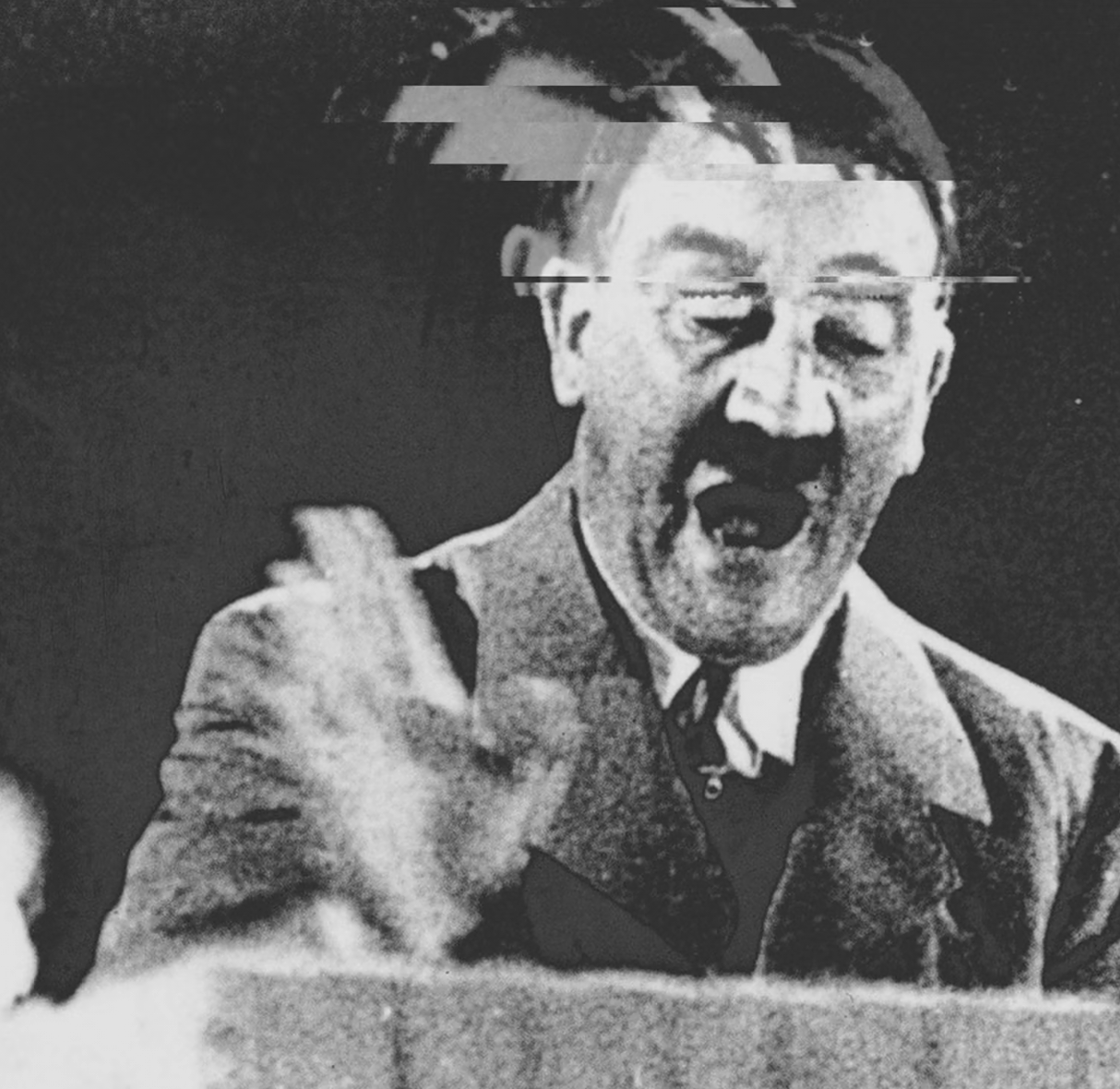
On the neo-Nazi far-right, adoption of AI-voice cloning software has already become particularly prolific, with several English-language versions of Adolf Hitler’s speeches garnering tens of millions of streams across X, Instagram, TikTok, and other apps.
According to a recent research post by the Global Network on Extremism and Technology (GNet), extremist content creators have turned to voice cloning services, specifically ElevenLabs, and feed them archival speeches from the era of the Third Reich, which are then processed into mimicking Hitler in English.
Neo-Nazi accelerationists, the kinds who plot acts of terrorism against western governments to provoke a societal collapse, have also turned to these tools to spread more updated versions of their hyper-violent messaging. For example, Siege, an insurgency manual written by American neo-Nazi and proscribed terrorist James Mason that became the veritable bible to organizations like the Base and the now-defunct Atomwaffen Division, was transformed into an audiobook in late November.
So far, not just the Islamic State, but groups across the ideological spectrum, have begun using free AI applications, namely OpenAI’s chatbot, ChatGPT, to amplify their overall activities. The Base and adjacent groups have used it for the creation of imagery, while also acknowledging, as far back as 2023, the use of these tools to streamline planning and researching.
Counterterrorism authorities have always viewed the internet and technological advancements as a persistent game of catch-up when it comes to keeping pace with the terror groups who exploit them. Already the Base, the Islamic State and other extremists have leveraged emergent technologies like crypto to anonymously fundraise and share files for 3D printed firearms.