
Pinochet Is Smiling in His Grave
The New York Times (Gift)
12/17/2025
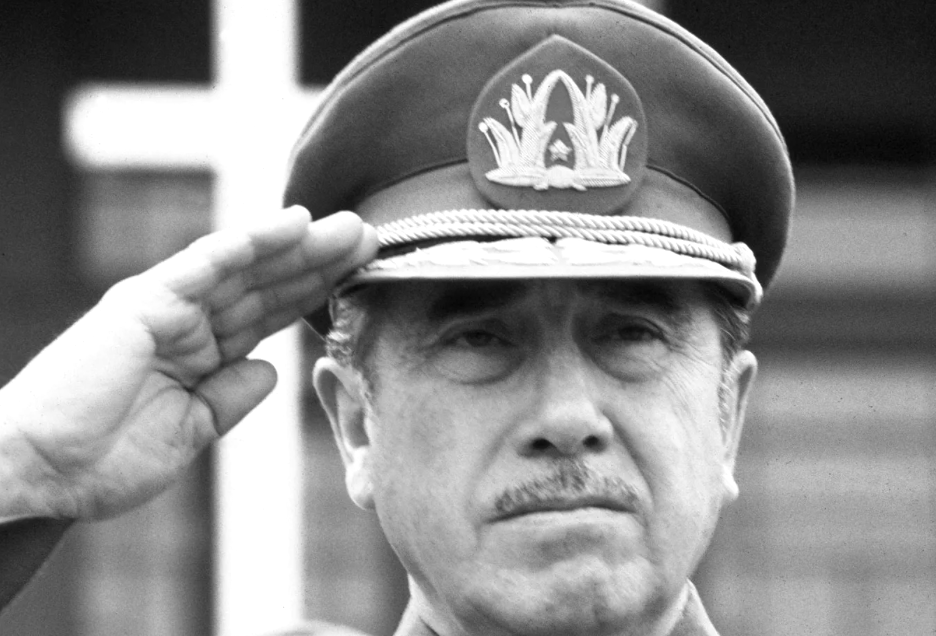
Gen. Augusto Pinochet, the strongman who imposed a reign of terror on Chile from 1973 to 1990, must be smiling in his grave.
His brazen defender and admirer José Antonio Kast has just been elected president of Chile. Mr. Kast, a right-wing politician who has praised the military dictatorship and once said that if General Pinochet were alive “he would have voted for me,” won by an overwhelming margin on Sunday, beating his center-left opponent by about 16 points. It is the first time since democracy in Chile was restored 35 years ago that any supporter of the dictatorship has won such high office.
Some might call his rise just one more alarming case of a worldwide trend toward nativist authoritarianism — and it is. But the attendant rehabilitation of one of the continent’s most infamous autocrats is a particularly agonizing setback in a country where many considered the long struggle for democracy to have been won.
In 1973 the military, with General Pinochet at the helm, overthrew the democratically elected government of Salvador Allende. The general proceeded to close Congress, torture and kill thousands of Mr. Allende’s supporters and persecute and exile many more. General Pinochet’s power began to wane in the late 1980s, and democracy in Chile was eventually restored in 1990. In 1998 he was arrested in London on charges of human rights abuses; subsequent revelations that he had illicitly accumulated millions of dollars fueled a general abhorrence that turned him into even more of a pariah. When he died in 2006, wild crowds gathered in Chile’s cities, chanting, “Adiós, General.” To those dancing, riotous citizens, here was the chance to bury forever, along with General Pinochet’s corpse, the influence he had exercised over Chile for so many decades.
The totalitarian grip he exercised for so long and the dread he had engendered so deeply did not seem easily dispelled. Witnessing the carnivalesque ecstasy in the streets of Santiago, I wondered in an Opinion guest essay if the general’s legacy had really died. “Will he ever stop contaminating every schizophrenic mirror of our life?” I asked. “Will Chile ever cease to be a divided nation?”
Almost two decades later, the answer to both questions appears to be a resounding no.
What Chile needs now is a deep intellectual renewal of its progressive forces, a painful reckoning with its shortcomings and fractures. How well the Chilean opposition responds to this sobering defeat will determine whether Mr. Kast truly represents an ominous swerve toward the world’s current desolate panorama of would-be dictators, or whether he proves a mere parenthetical in Chile’s erratic but perpetual advance toward freedom and justice. The battle for the soul and identity of my adopted country is nowhere near over.