
The Government Can Empty Your Bank Account Tomorrow. No Judge Required
Glass Empires By W. Lawrence
12/15/2025
Your bank calls at 9:47 AM to inform you that all accounts have been frozen pending federal investigation with no explanation beyond an OFAC designation number. By noon, payroll has bounced while your bookkeeper stands crying in the supply closet and your executive director fields panicked calls from staff who have rent due and children to feed. By end of business, your landlord has received notice of frozen assets and begun consulting with counsel about lease termination. By day three, your largest donor, the foundation covering thirty percent of operating budget, has sent email with subject line “Re: Interim Suspension of Grant Funding” having one sentence about “fiduciary responsibility to stakeholders” and “evolving risk assessment protocols.”
Your lawyer explains that you can challenge the designation, but doing so will consume more money than your annual budget and more time than your survival allows.
What This Means for You
You don’t operate a charity and you’ve never filed a 501(c)(3) application, yet the same administrative architecture that can freeze accounts without a warrant applies to any individual or business Treasury designates for blocking.
If you run a small business: Your accounts freeze if Customs decides your supplier might have ties to entities on sanctions lists. You cannot meet Friday’s payroll. Your employees receive bounced paychecks while you spend the weekend calling attorneys who quote retainers exceeding your annual salary. By Monday, your bookkeeper has resigned, your largest client has suspended your contract, and your landlord has begun eviction proceedings. By month’s end, you have burned through your retirement account paying lawyers to file motions requesting expedited hearings that will not occur for months. Three years later, Treasury closes its investigation without findings, but you lost your business in month four, declared bankruptcy in month nine, and your marriage ended in year two. The government eventually acknowledges it found no violation, but there is nothing left to return to you except confirmation that you were destroyed for nothing.
If you are an individual: Your personal accounts freeze if Treasury flags transactions as suspicious. Your mortgage payment bounces, triggering late fees and default notices. Your credit cards stop working at the grocery store while your children watch the cashier decline the transaction. You cannot pay the attorney who might help you because the freeze prevents you from paying anyone, trapping you in a perfect circle where the remedy requires money from frozen accounts. Your employer places you on unpaid leave pending investigation. Six months later you have lost your house, your car, your job, and custody of your children. Two years later Treasury closes its investigation without findings, but your children now live with your ex-spouse in another state, your career is over because the investigation appears on background checks, and you’re rebuilding from an apartment you share with two roommates while working retail.
The Architect
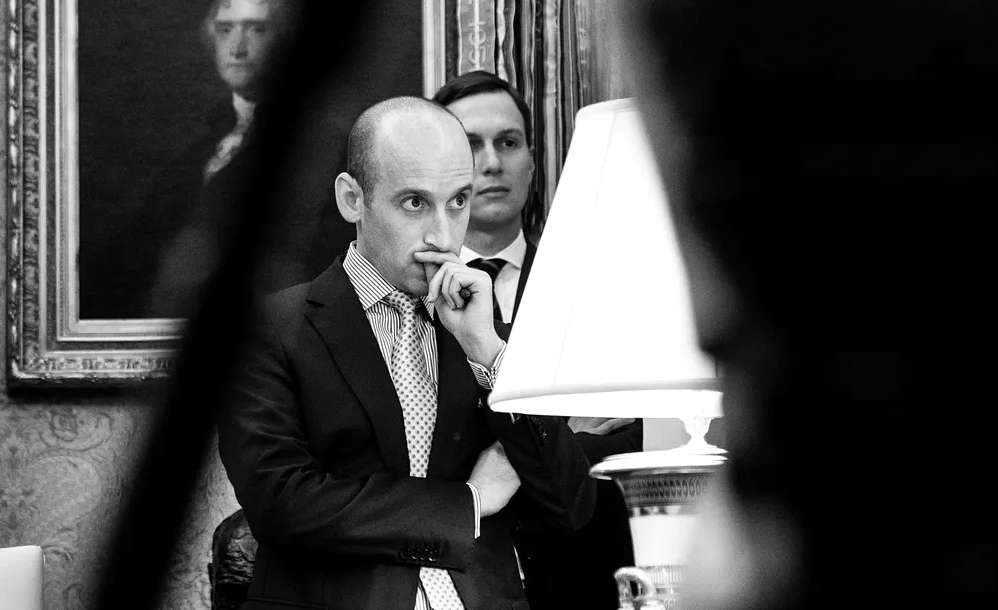
Stephen Miller understood something fundamental about the relationship between executive action and judicial review: the interval between government action and judicial correction creates space where consequences accumulate regardless of eventual legal judgment. During the first Trump administration, Miller advanced enforcement theories developing frameworks designed to survive judicial scrutiny long enough for their effects to become irreversible even if courts eventually narrow underlying authority.