Content:
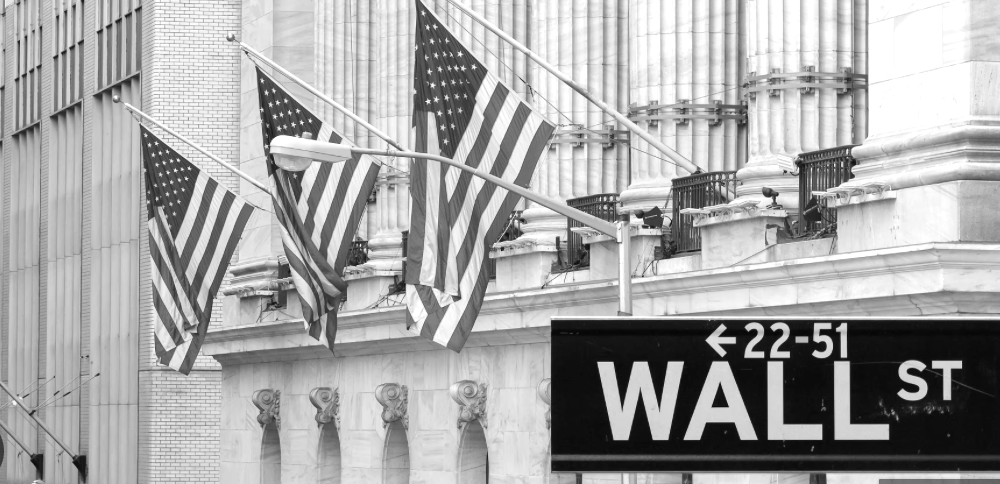
The Biggest Threat to Mamdani’s Agenda Isn’t Trump—It’s Wall Street
In These Times
10/23/2025
If Mamdani wins in November it will demonstrate that progressive Democrats, running within the party, can win elections based on popular working class reforms—that is, if they aren’t thwarted by their own party leadership.
In short, the economic and political structures that brought an end to New York’s experiments in social democracy in the 1970s are still in place. First, the structure of the federal system makes changes at the local level very difficult. With necessary changes to improve city finances having to pass through Albany or Washington, it can be virtually impossible to develop and finance the social welfare structures that working people desperately need in the city. This is even more difficult with neoliberal and far right politicians, Hochul and Trump, holding state and federal positions.
But there is a deeper problem. When public programs are financed through the private sector, banks hold the ultimate veto power. This is what happened in the fiscal crisis of 1975, when Wall Street locked the city out of the credit market and forced New York to make cuts to the satisfaction of the banking sector. And this had happened before, in 1933, at the height of the Great Depression, when the “bankers’ agreement” closed credit markets on the city and forced austerity on municipal spending. This is the structural veto that Wall Street holds over our very democracy.
This is not to say that these obstacles are insurmountable, or that the hope of progressive reforms can never be achieved in the United States, or at least in New York City. Indeed, Mamdani may be savvy enough, may have the popular support he needs, may benefit from an organized working population that can force through these reforms and the financing necessary to pay for them.
It is to say, however, that in a capitalist democracy, capital holds all the cards. Electing a single, lone, progressive politician is not enough to discipline the rich to pay for what all we need. That necessitates power. We would need mass movements that can threaten much bigger disruptions unless the rich capitulate. As we’ve seen with the Obama, Sanders, and other campaigns, translating an electoral coalition into a political force with popular power to govern is not always possible.
To do so would require amassing power outside of elected office, a power that can overcome the structural power of the banks and the investment class. Indeed, popular movements are always necessary to force elected officials, even ones as earnest as Zohran Mamdani, not to compromise on their promises.
This kind of popular power is possible. After all, during the New Deal, the business class was chastened enough to allow the passage of major, humane, social reforms — to the benefit of working people. With the Trump administration’s assaults on the New Deal “administrative state,” that cycle seems to have run its course.
What comes next is anyone’s guess, and if Mamdani is elected, his victory would bode well for what progressives can achieve. But his plans will get nowhere without disruptive popular movements forcing these changes on the rich. At best, this will get us a sort of new, new deal — but with an old deck. This is good, but not enough. Perhaps, with movement organization and institutions of popular power, we can get to a place where it’s possible to imagine a new deck entirely, not just a new deal. And one day, we may be able to flip the table and drive the moneychangers from the people’s temple altogether.